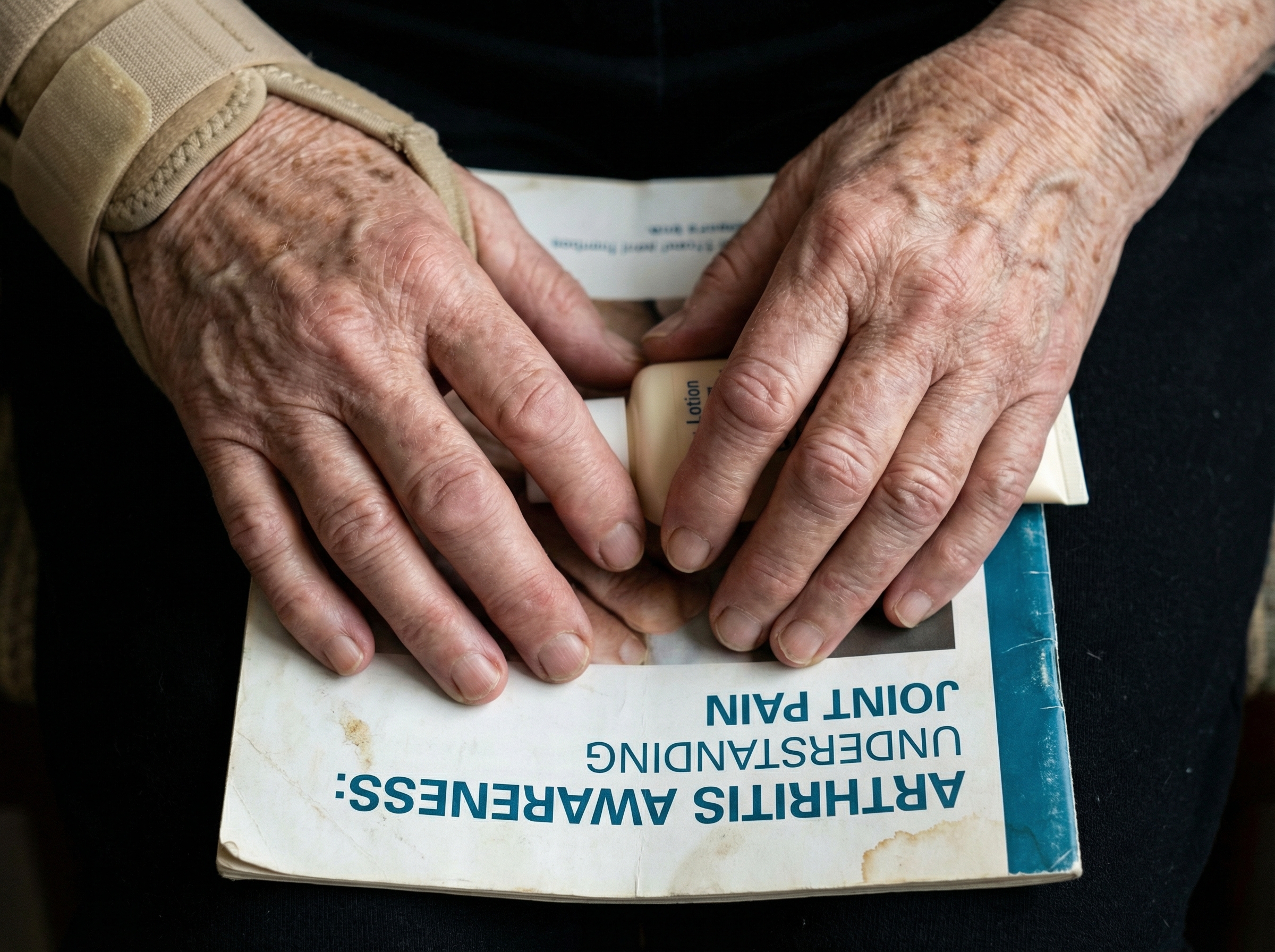
Arthritis affects millions of people worldwide, causing joint pain, stiffness, and reduced mobility that can significantly impact quality of life. Whether you are newly diagnosed or have been managing arthritis for years, finding effective pain relief strategies is essential for maintaining an active, fulfilling lifestyle. This comprehensive guide presents 18 evidence-based approaches to managing arthritis joint pain, from lifestyle modifications and home remedies to medical treatments and emerging therapies.

Regular Stretching Routines
Gentle daily stretching helps maintain joint flexibility, reduces stiffness, and improves range of motion. Focus on major joints affected by arthritis and hold each stretch for 30 seconds.

Physical Therapy Sessions
Working with a licensed physical therapist can provide personalized exercise programs, manual therapy techniques, and education on joint protection strategies tailored to your specific condition.

Hot and Cold Treatments
Heat therapy relaxes muscles and improves circulation, while cold therapy numbs pain and reduces inflammation. Alternating between hot and cold can provide comprehensive relief.

Joint-Supporting Supplements
Supplements like glucosamine, chondroitin, and omega-3 fatty acids may help support joint health and reduce inflammation. Consult your doctor before starting any supplement regimen.
Maintain Healthy Weight
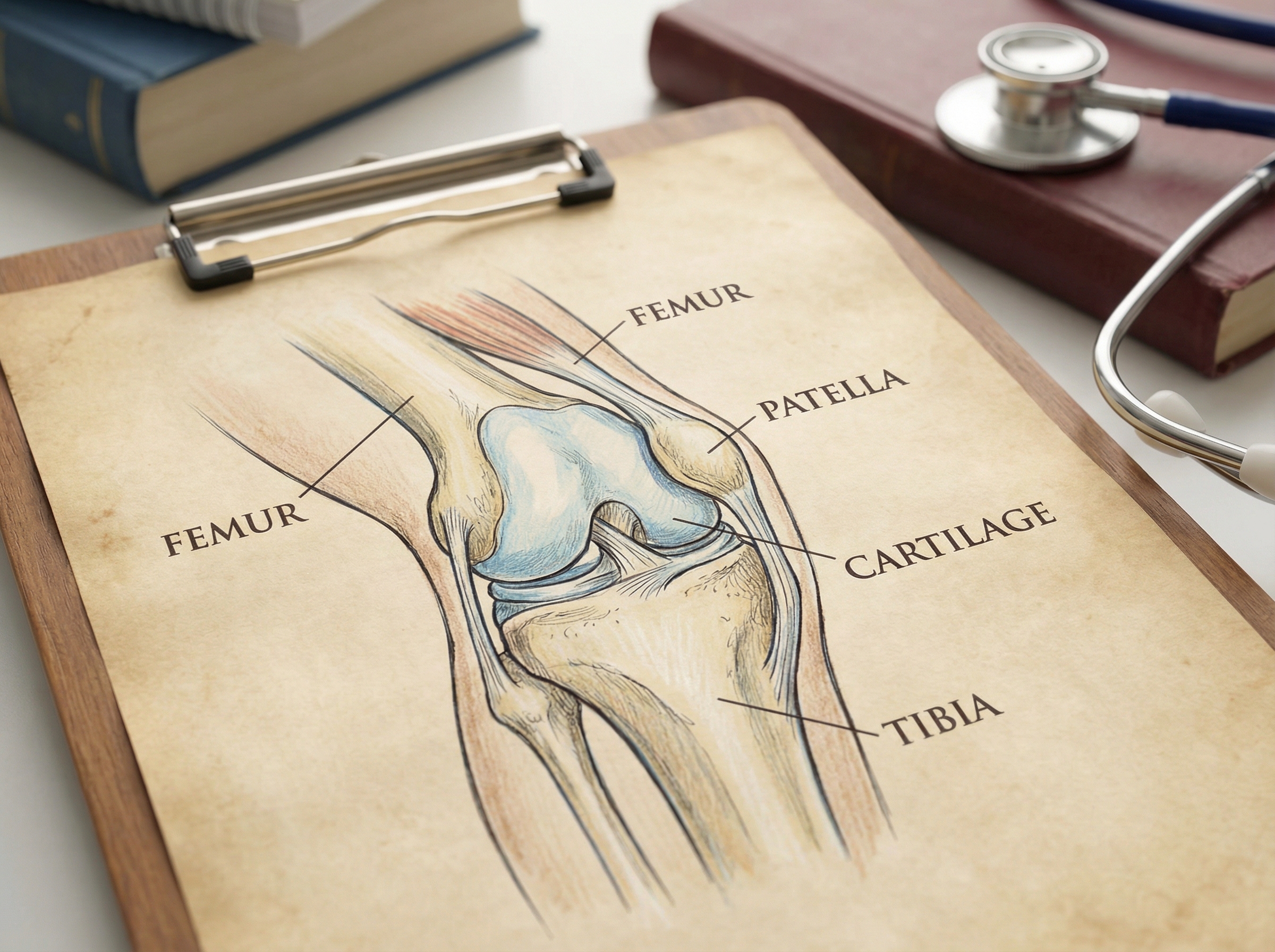
Excess weight puts additional stress on weight-bearing joints, worsening arthritis pain. Even modest weight loss can significantly reduce joint pressure and improve mobility.
Low-Impact Exercises
Swimming, cycling, and water aerobics provide cardiovascular benefits without stressing joints. These activities help maintain muscle strength that supports and protects joints.
Understanding Arthritis and Its Impact
Arthritis is not a single disease but a term encompassing over 100 different conditions that affect joints, the tissues surrounding joints, and other connective tissue. The most common forms include osteoarthritis, which results from wear and tear on joint cartilage, and rheumatoid arthritis, an autoimmune condition where the immune system attacks joint linings. Understanding which type of arthritis you have is crucial for developing an effective management plan.
The hallmark symptoms of arthritis include joint pain, stiffness (especially in the morning or after periods of inactivity), swelling, redness, and decreased range of motion. These symptoms can range from mild to severe and may come and go or progressively worsen over time. For many people, arthritis pain can be debilitating, affecting their ability to perform daily activities, work, and participate in recreational pursuits they enjoy.
While there is currently no cure for most forms of arthritis, the condition can be effectively managed through a combination of approaches. Modern medicine offers numerous treatment options, from medications and injections to physical therapy and surgical interventions. Equally important are lifestyle modifications, including exercise, weight management, stress reduction, and dietary changes. This guide presents 18 comprehensive strategies that address arthritis management from multiple angles.
Additional Relief Strategies (Methods 7-18)
- 7. Over-the-counter pain relievers and anti-inflammatory medications
- 8. Prescription medications including DMARDs for rheumatoid arthritis
- 9. Joint injections such as corticosteroids or hyaluronic acid
- 10. Assistive devices like braces, splints, and walking aids
- 11. Tai chi and yoga for improved flexibility and stress reduction
- 12. Acupuncture and other alternative therapies
- 13. Anti-inflammatory diet rich in fruits, vegetables, and omega-3s
- 14. Stress management techniques including meditation and deep breathing
- 15. Adequate sleep and rest for tissue repair and recovery
- 16. Regular monitoring and communication with healthcare providers
- 17. Occupational therapy for daily activity modifications
- 18. Advanced treatments including biologic therapies and surgery when needed
When to Seek Medical Attention
While many cases of arthritis can be managed with self-care and over-the-counter treatments, certain symptoms warrant immediate medical attention. If you experience sudden severe joint pain, significant swelling or redness, inability to move a joint, joint deformity, or symptoms accompanied by fever, you should seek prompt medical evaluation. These could indicate infection, gout flare, or other serious conditions requiring urgent treatment.
Regular follow-ups with your healthcare provider are essential for monitoring arthritis progression and adjusting treatment plans as needed. Early intervention and consistent management can help slow disease progression, preserve joint function, and maintain quality of life. Don't wait until pain becomes unbearable or function is significantly impaired before seeking professional help.
Living well with arthritis requires a proactive, comprehensive approach that combines medical treatment with lifestyle modifications. By implementing the strategies outlined in this guide and working closely with your healthcare team, you can effectively manage joint pain and maintain an active, fulfilling lifestyle. Remember that arthritis management is a journey, and what works best may change over time. Stay informed, stay active, and never hesitate to explore new treatment options with your healthcare provider.